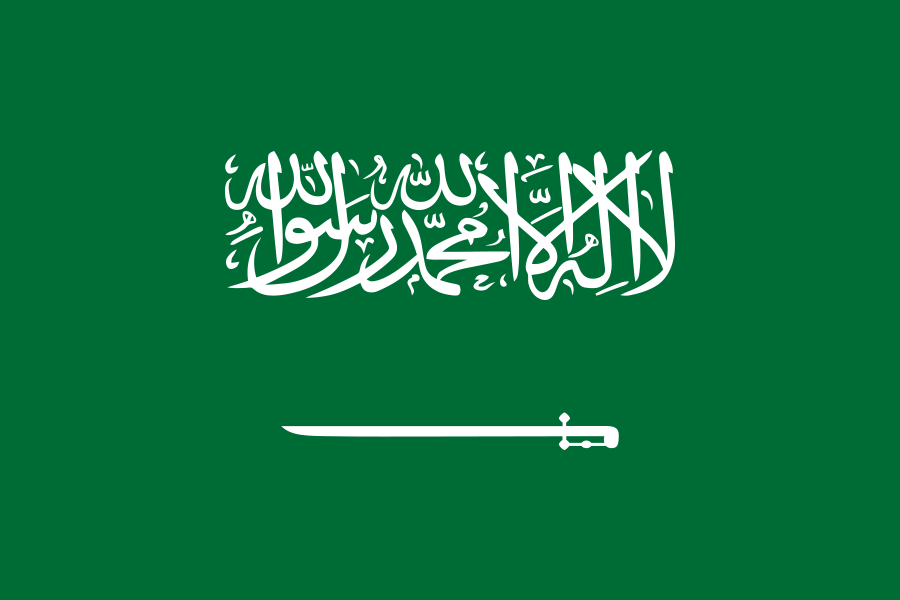
Afghanistan 🇦🇫
Islamic Republic of Afghanistan

The flag of the Islamic Emirate of Afghanistan has a white field with Arabic inscriptions — the Shahada — in black across its center.
Location
Quick Facts
Alpha 2
AFAlpha 3
AFGNumber
4TLD
.afCapital
KabulPopulation
40,218,234Area
652,230 km²Landlocked
YesLanguages
Currencies
Drives on
RightWeek starts
MondayTimezones
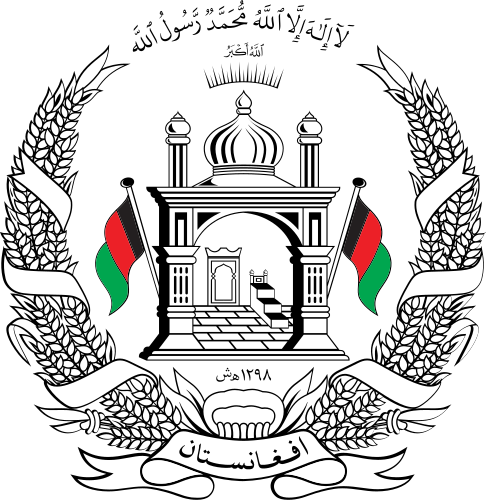
UTC+04:30Coat of Arms
What is the Flag of Afghanistan?
The flag of Afghanistan is a tricolor flag featuring three vertical bands of black, red, and green. The current design was adopted in 2013. The flag is also known as the “Afghanistan National Flag” or the “Flag of the Islamic Republic of Afghanistan.”
What Does the Afghanistan Flag Look Like?
The Afghanistan flag is composed of three vertical stripes of black, red, and green. The Afghan coat of arms is located in the center of the flag. The coat of arms includes a mosque with a mihrab, a religious niche indicating the direction of Mecca, and two flags on either side. Above the mosque is a crest with a mosque dome and minarets. The flags on either side of the mosque are green and have the Shahada or Muslim testimony of faith written in white.
The colors of the Afghanistan flag are symbolic. Black represents the dark past of the nation and its perseverance through difficult times. Red represents the blood shed by Afghan martyrs in the struggle for freedom. Green represents hope and the future of the nation.
What is the Afghanistan Flag Called?
The Afghanistan flag is officially called the "Flag of the Islamic Republic of Afghanistan". It is also called the "Afghanistan National Flag" or the "Flag of the Afghan Republic".
What Does the Afghanistan Flag Represent?
The Afghanistan flag represents the nation’s commitment to Islam and unity. The black, red, and green stripes symbolize the nation’s past and present struggles and its hope for the future. The coat of arms in the center of the flag is an important symbol of the nation and its people, and the flags on either side of the mosque represent the Shahada or Muslim testimony of faith. The Afghanistan flag represents the nation’s commitment to its faith, its people, and its hope for peace and unity.
Who Created the Afghan Flag?
The design of the Afghanistan flag dates back to the late 19th century and was created by a man named Amir Shir Ali Khan. He was a notable figure in the Afghan royal court and was the ruler of the Barakzai dynasty of the Afghan Empire. Amir Shir Ali Khan was a great admirer of King Amanullah Khan and it was under his rule that the current design of the Afghanistan flag was created.
The design of the flag consists of three equal horizontal stripes. The top stripe is black, the middle stripe is red and the bottom stripe is green. In the middle of the flag, there is a large white circle which contains a mosque with a mihrab (prayer niche) and a pulpit and is surrounded by an array of tulips. The mosque design symbolizes the Islamic faith and symbolizes the fact that the majority of the Afghan population is Muslim. The tulips symbolize peace and harmony.
The symbolism of the colors on the flag holds great meaning. The black stripe represents the dark times in the history of Afghanistan. The red stripe represents the blood of the Afghan people and their struggle for freedom. The green stripe represents the hope for a brighter future. The colors of the flag also have a deeper meaning as they are the same colors used in the flags of other Islamic countries such as Turkey, Iran and Pakistan.
The current design of the Afghanistan flag was adopted on August 19th, 2013 and is now the official flag of the country. It is considered to be a very important symbol of the Afghan people as it represents their history, their struggles and their hopes for the future. The design of the flag is a reminder to all Afghan citizens of their past, present and future.
Bordering Countries



Similar Flags
Flags that share colours with Afghanistan