El Salvador 🇸🇻
Republic of El Salvador
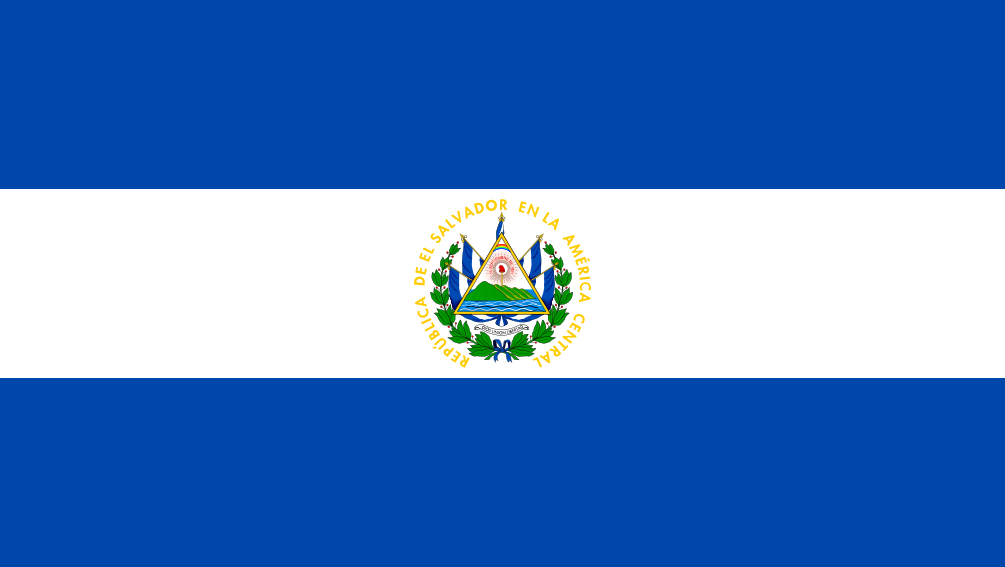
The flag of El Salvador is composed of three equal horizontal bands of cobalt blue, white and cobalt blue, with the national coat of arms centered in the white band.
Location
Quick Facts
Alpha 2
SVAlpha 3
SLVNumber
222TLD
.svCapital
San SalvadorPopulation
6,486,201Area
21,041 km²Languages
Currencies
Drives on
RightWeek starts
MondayTimezones
UTC-06:00Coat of Arms
What is the Flag of El Salvador?
The flag of El Salvador is a horizontal tricolor of blue, white, and blue, with the national coat of arms in the center of the white stripe. The flag has been in use since September 15, 1972, and was adopted after the Salvadoran Civil War.
What Does the El Salvador Flag Look Like?
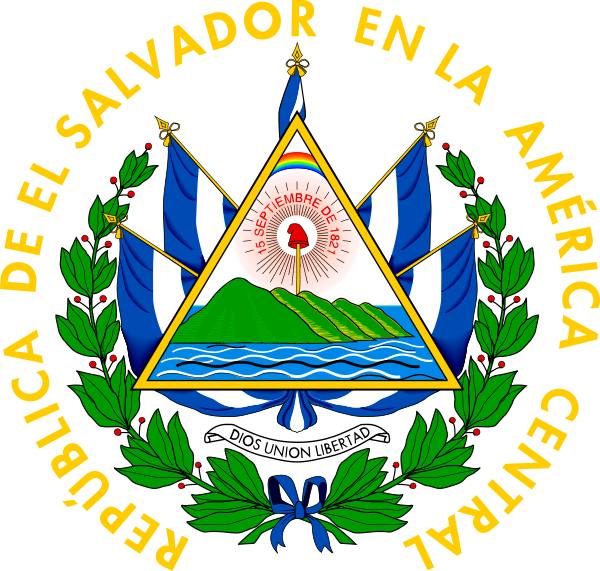
The flag of El Salvador is composed of three horizontal stripes of equal size. The top stripe is cobalt blue, the middle stripe is white, and the bottom stripe is royal blue. The white stripe contains the Coat of Arms of El Salvador, which consists of a triangle containing five volcanoes surrounded by a laurel wreath and a ribbon with the words "Dios, Union, Libertad" ("God, Union, Liberty"). The white stripe is also slightly wider than the other two stripes.
What is the El Salvador Flag Called?
The El Salvador flag is called the Bandera de El Salvador, which translates to “Flag of El Salvador”. It is also sometimes referred to as the Bandera Nacional, or “National Flag”.
What Does the El Salvador Flag Represent?
The blue stripes of the El Salvador flag represent the Pacific Ocean and the Caribbean Sea, which border the country. The white stripe represents peace and unity between the people of El Salvador. The Coat of Arms, with its five volcanoes, symbolizes the geological features of the country. The laurel wreath and ribbon signify the victory of the people over oppression, and the words on the ribbon represent the country’s commitment to God, Union, and Liberty. The El Salvador flag is a symbol of the country’s strength and pride.
Who Created the Salvadoran Flag?
The flag of El Salvador is one of the national symbols representing the country of El Salvador, located in Central America. Originally created in 1912, the flag was designed to represent the nation’s independence and culture. The current flag of El Salvador has gone through many changes, but the essential elements of the design remain.
The original design of the El Salvador flag was created by General Manuel Enrique Araujo and his wife, Doña Mercedes Salazar de Araujo. General Araujo was an important figure in El Salvador’s struggle for independence from Spain and the Central American Federation in 1821. Doña Mercedes, a poet and writer, was a major influence in El Salvador’s culture and history. Together, the couple created the first official flag of El Salvador in 1912.
The flag of El Salvador is composed of three horizontal stripes – Blue, White, and Blue. The blue stripes represent the Pacific Ocean and the Caribbean Sea. The white stripe symbolizes the peace and prosperity of the El Salvadorian people. This intention was echoed in the inscription below the coat of arms, which reads “Dios, Union, Libertad” or “God, Union, Liberty.”
In 1972, the El Salvador flag was updated to include a coat of arms that depicts the country’s culture and history. This coat of arms, which is placed in the center of the white stripe, features a triangle with five volcanoes, which represent the five major volcanoes of El Salvador. A rainbow stretches across the bottom of the triangle, symbolizing the hope of prosperity for the country. Above the triangle is a red Phrygian cap, which was worn by freed slaves during the French Revolution, and represents freedom and liberty. The words “1821” and “1972” are inscribed on either side of the triangle, representing the years of El Salvador’s independence and the year of the flag’s redesign.
The El Salvador flag is an important symbol of the country’s culture and identity. The original design, created by General Manuel Enrique Araujo and Doña Mercedes Salazar de Araujo, signifies El Salvador’s struggle for independence and its commitment to peace and prosperity. The coat of arms, which was added to the flag in 1972, pays tribute to El Salvador’s rich history and culture. The El Salvador flag is a symbol of the country’s strength and unity and serves as a reminder of the nation’s long and proud history.
The Colours of El Salvador

Similar Flags
Flags that share colours with El Salvador